
Stamping Out Sexual Harassment in the Hospitality Sector
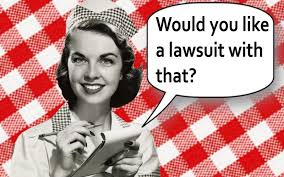
Can your hospitality workplace do more to eliminate sexual harassment?
‘’Inappropriate behaviour, whether lewd jokes, sexist comments or wandering hands, should never be ‘just part of the job’, even when customers have consumed alcohol. Marcial Boo – Chief Executive of the EHRC
The Equality and Human Rights Commission (EHRC) and UKHospitality have worked closely together to produce a practical resource to stop the harassment of hospitality staff being seen as ‘part of the job’.
With awareness growing in all sectors over the importance of staff feeling protected by their employers from all kinds of harassment or victimisation, this is also true of the hospitality industry.
It is shocking but perhaps unsurprising that the vast majority of bar and waiting staff say they have either experienced or witnessed inappropriate sexual behaviour. More than half of women and two-thirds of LGBTQIA+ people report experiencing workplace sexual harassment (according to government statistics). Consultation on sexual harassment in the workplace: government response – GOV.UK (www.gov.uk)
Wow – that is a big statistic!
Think about your bar, restaurant, hotel, catering business – what steps are you taking to protect your people and ultimately your business?
All employers have a duty of care to protect their workers, and not taking reasonable steps to prevent sexual harassment means a business can be held legally responsible should an instance occur. The government are considering going a step further and amending the law so that employers have to demonstrate that they have put preventative actions and methods in place to raise awareness of sexual harassment and how to effectively deal with it.
Staff retention problems?
Recruiting and retaining staff in the hospitality sector is already difficult, but to be known as a supportive employer, who will not tolerate abuse by colleagues or customers will enhance loyalty and attract talent.
EHRC checklist and action plan for employers
The checklist encourages managers to make awareness of sexual harassment part of the language of everyday work.
In asking questions such as:
Does your business have strict rules regarding colleague and customer behaviours? Do your line mangers enforce these? If the line managers do not understand company policy, then you cannot expect the staff to come to them if they are upset or concerned.
Have you made sure that people who have control over staff hours, rotas and tips don’t abuse this power? Share these duties where possible, ensure repeated training and awareness of company policy, check that people aren’t working alone or feel vulnerable.
Have you made sure staff are working in the safest situation possible? Younger workers are at greater risk, ask them how they feel and how you can improve your workplace.
The resource also contains safety and preventative advice, think about avoiding having a single member of staff wait on a large group, when sexual harassment is more likely to take place.
It provides valuable pointers to creating a safer working environment from effective training and communication, working practices, making an action plan and monitoring its effectiveness.
Stamp out sexual harassment for all hospitality workers
https://www.ukhospitality.org.uk/page/PreventingSexualHarassmentChecklist
At Commissioning HR, we can support you to implement measures to address sexual harassment and develop a culture of trust with your staff. Contact us to find out how we can work with you.
